

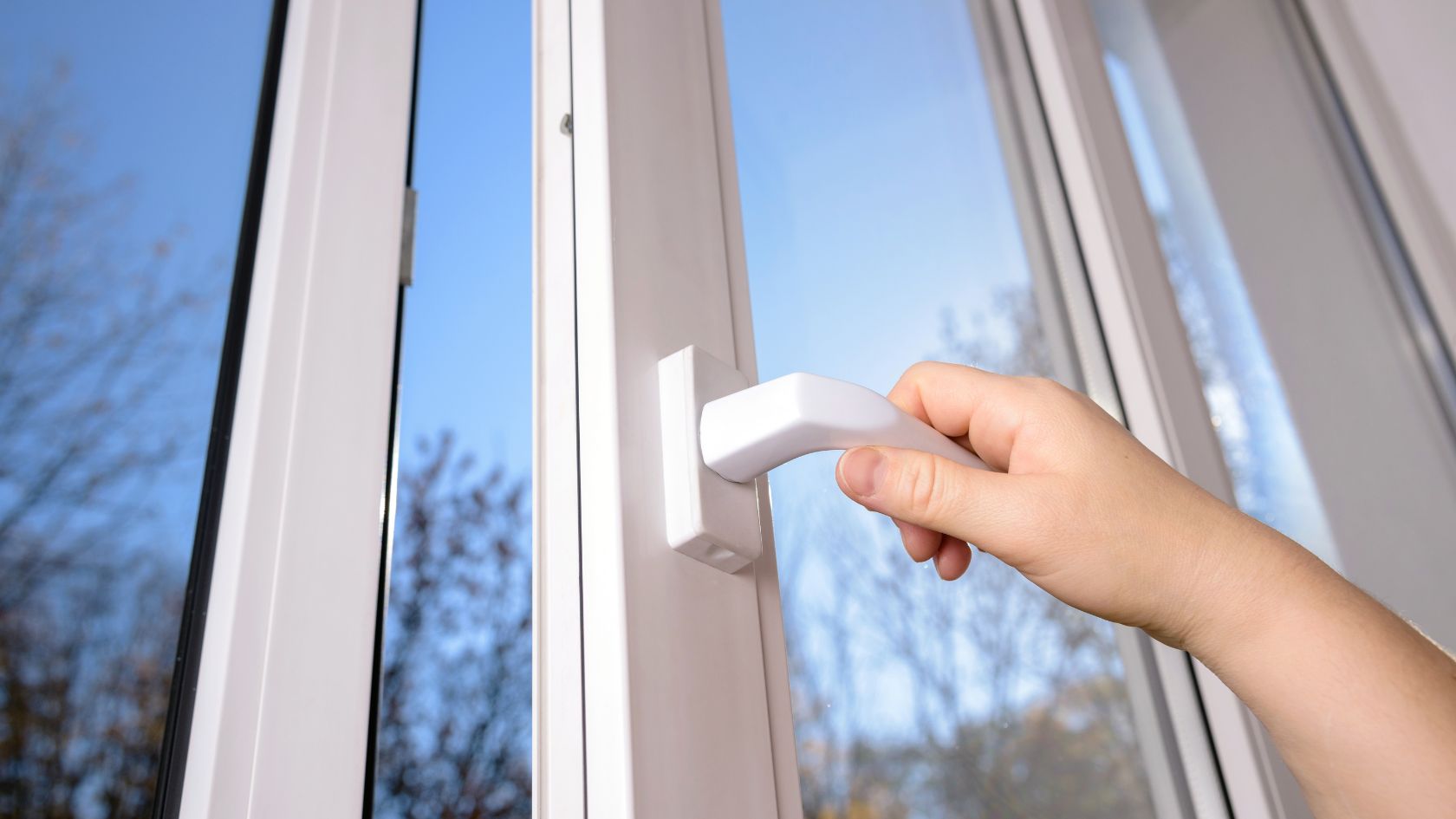
The right window type can transform how your home looks, feels and performs. Casement windows offer practicality and efficiency, sash windows deliver timeless character, tilt and turn windows provide modern flexibility, and bay windows add space, light and architectural impact. Each window style suits different property types, lifestyles and priorities. Understanding how these windows work and where they perform best helps homeowners make confident, informed decisions when upgrading or replacing their windows.
This guide explains the most common window types found in UK homes, how they function, their benefits and drawbacks, and how to choose the best option for your property.
Why Window Choice Matters More Than You Think
Windows play a bigger role in your home than many people realise. They influence:
- Heat retention and energy efficiency
- Ventilation and indoor air quality
- Natural light and room brightness
- Noise reduction
- Security and safety
- Kerb appeal and property value
Choosing the wrong window type can lead to draughts, overheating, difficult cleaning, reduced comfort or a look that does not suit your home. Choosing the right one enhances everyday living while supporting long-term energy savings and resale value.
Casement Windows Explained
What Are Casement Windows?
Casement windows are hinged at the side and open outward, similar to a door. They are one of the most widely used window styles in the UK because they are simple, versatile and highly efficient.
Key Benefits of Casement Windows
Casement windows are popular for good reason. Their design offers several practical advantages:
- They open fully, allowing excellent ventilation
- They close tightly against the frame, reducing draughts
- They are easy to operate with a handle
- They provide clear views with minimal frame obstruction
- They work well with modern double glazing
Because casement windows seal firmly when closed, they are often among the most energy-efficient window styles when properly installed.
Types of Casement Windows
Casement windows come in several variations:
- Side-hung casement windows, the most common type, opening like a door
- Top-hung casement windows, which open outward from the top and are useful for ventilation even during light rain
- French casement windows, where two panes open outward without a central frame, creating a wide opening
Where Casement Windows Work Best
Casement windows suit most property styles, from modern homes to traditional houses. They are ideal for:
- Living rooms and kitchens
- Ground floor rooms
- Bedrooms requiring strong airflow
- Homes prioritising energy efficiency
They are particularly well suited to areas where ventilation and ease of use are important.
Sash Windows Explained
What Are Sash Windows?
Sash windows feature one or two movable panels that slide vertically within the frame. Traditionally associated with Georgian, Victorian and Edwardian properties, they remain a defining feature of many UK homes.
Why Homeowners Choose Sash Windows
Sash windows are valued for their classic appearance and balanced ventilation. Key benefits include:
- Strong heritage appeal and traditional character
- Vertical sliding design that does not protrude outward
- Balanced airflow through top and bottom openings
- Compatibility with period property requirements
Modern sash windows now incorporate double glazing, improved seals and discreet security features while preserving their traditional look.
Single Hung vs Double Hung Sash Windows
- Single hung sash windows have one fixed panel and one moving panel
- Double hung sash windows allow both the top and bottom panels to move, offering better ventilation control
Where Sash Windows Work Best
Sash windows are ideal for:
- Period homes and townhouses
- Properties in conservation areas
- Homes where maintaining traditional character is essential
- Front elevations where appearance is a priority
They are often required for planning compliance in heritage settings.
Tilt & Turn Windows Explained
What Are Tilt & Turn Windows?
Tilt and turn windows are a modern window style that offers two opening functions in one design. They can tilt inward at the top for ventilation or swing fully inward from the side for full access.
Why Tilt & Turn Windows Are So Practical
This dual-function design makes tilt and turn windows highly versatile:
- Tilt mode allows safe, secure ventilation
- Turn mode allows the window to open wide for airflow and cleaning
- Inward opening makes external glass easy to clean from inside
- Excellent sealing improves thermal performance
Tilt and turn windows are especially popular in modern homes and apartments.
Safety and Security Benefits
When tilted open, the window remains secure and difficult to access from outside. This makes tilt and turn windows ideal for:
- Upper floors
- Homes with children
- Urban properties
Where Tilt & Turn Windows Work Best
Tilt and turn windows are well suited to:
- Modern homes and new builds
- Flats and apartments
- Upper-floor rooms
- Homes where easy maintenance is important
They are a strong choice for homeowners seeking flexibility and convenience.
Bay Windows Explained
What Are Bay Windows?
Bay windows project outward from the main wall of a building, creating a recessed interior space and capturing light from multiple angles. They are made up of multiple window panels joined together.
Why Bay Windows Stand Out
Bay windows offer several unique benefits:
- They increase natural light throughout the room
- They create additional internal space
- They provide panoramic views
- They enhance kerb appeal and architectural interest
A bay window often becomes a focal point of a room, adding both style and function.
Bay Windows vs Bow Windows
While often confused, there is a distinction:
- Bay windows usually consist of three angled panels
- Bow windows use four or more panels to form a gentle curve
Both styles offer similar benefits, but bay windows tend to have a more angular, defined look.
Where Bay Windows Work Best
Bay windows are ideal for:
- Living rooms and dining rooms
- Front-facing rooms
- Properties looking to add character
- Homes seeking increased light and space
They work well in both traditional and modern properties when designed correctly.
Comparing Window Types at a Glance
Ventilation
- Casement windows offer strong airflow
- Sash windows provide balanced ventilation
- Tilt and turn windows allow controlled or full ventilation
- Bay windows depend on the window style used within them
Energy Efficiency
- Casement and tilt and turn windows offer excellent sealing
- Modern sash windows perform well when double glazed
- Bay windows can be very efficient when built with quality frames and glazing
Maintenance
- Tilt and turn windows are easiest to clean
- Casement windows require moderate maintenance
- Sash windows may need more upkeep, especially timber frames
- Bay windows require careful sealing and frame maintenance
Appearance
- Casement windows suit most property styles
- Sash windows preserve traditional character
- Tilt and turn windows suit contemporary designs
- Bay windows add visual impact and space
Choosing the Right Window for Your Home
Consider Your Property Style
The architecture of your home often guides the best window choice:
- Traditional homes benefit from sash or bay windows
- Modern homes suit casement or tilt and turn designs
- Mixed styles can work when thoughtfully planned
Think About How You Use Each Room
Different rooms have different needs:
- Kitchens and bathrooms benefit from strong ventilation
- Bedrooms benefit from secure airflow
- Upper floors benefit from easy-clean designs
- Living spaces benefit from light and views
Planning and Regulations
Some properties, particularly listed buildings or those in conservation areas, have restrictions on window styles. Always check requirements before replacing windows.
Mixing Window Styles for Best Results
Many homes benefit from using different window styles in different areas. For example:
- Casement windows in kitchens and rear elevations
- Sash windows on front elevations
- Tilt and turn windows upstairs
- Bay windows in feature rooms
This approach allows you to balance performance, appearance and practicality.
Glazing and Frame Choice Matters
Window performance is not just about style. Glazing and frame materials play a crucial role.
Glazing
Modern double glazing improves insulation, reduces noise and enhances comfort across all window types.
Frame Materials
- uPVC offers low maintenance and value
- Timber offers traditional appeal and insulation
- Aluminium offers strength and slim sightlines
Choosing the right combination ensures long-term performance.
Professional Installation Makes the Difference
Even the best window will underperform if poorly installed. Professional fitting ensures:
- Accurate measurements
- Proper sealing
- Correct alignment
- Compliance with building regulations
Quality installation protects your investment and ensures your windows perform as intended.
Conclusion
Choosing the right window type is about more than appearance. Casement, sash, tilt and turn, and bay windows each bring unique benefits depending on your property style, lifestyle and priorities. By understanding how each window works and where it performs best, homeowners can make informed decisions that improve comfort, energy efficiency and long-term value. With expert guidance and professional installation, the right windows can transform your home for years to come.
