

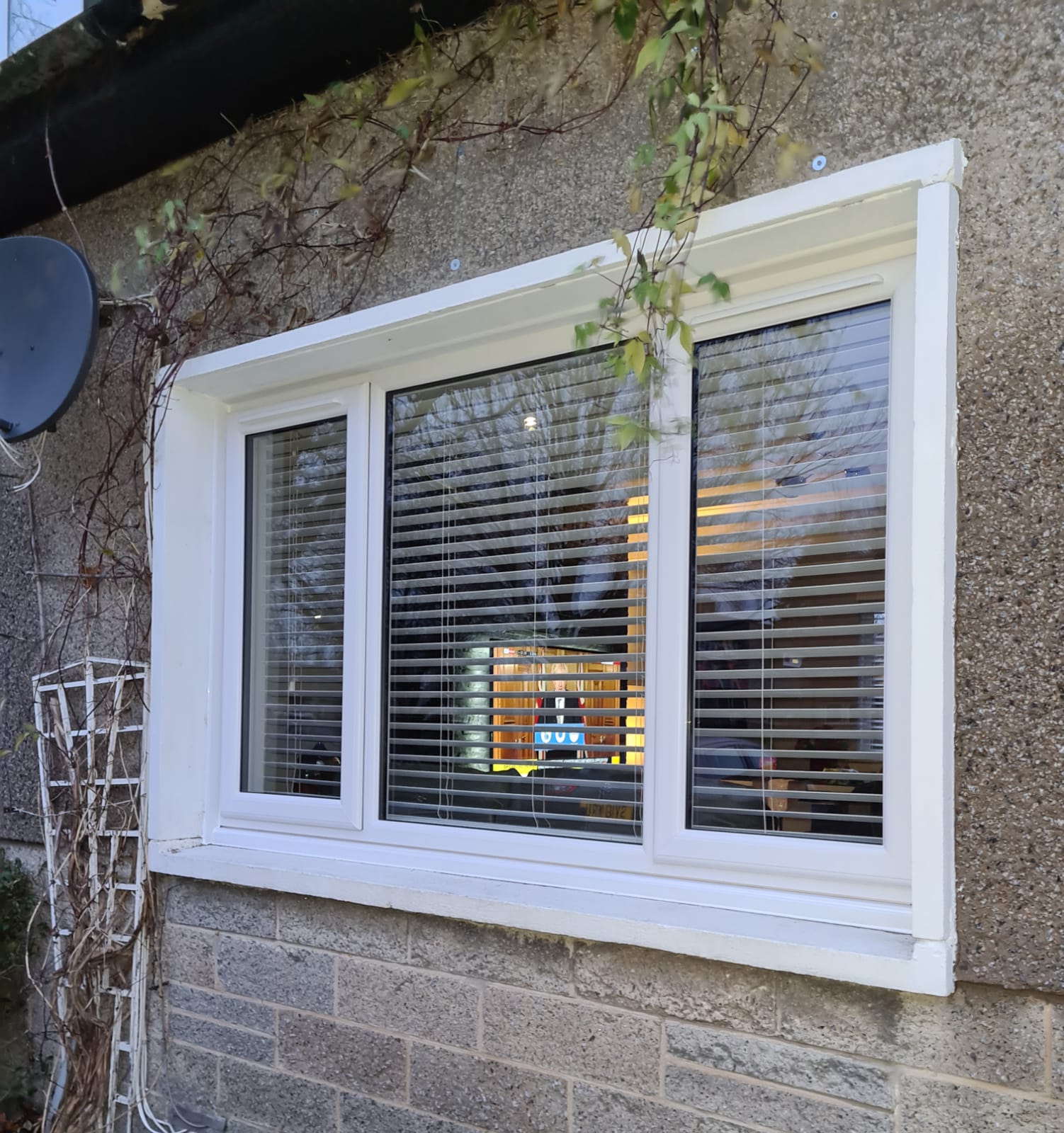
Where energy costs are rising and environmental concerns are growing, homeowners are seeking innovative solutions to enhance energy efficiency. One of the most effective ways to improve insulation and reduce heat loss is by installing double glazing. Unlike traditional single-pane windows, double glazed windows are designed to provide superior insulation, noise reduction, and long-term savings on energy bills.
This article delves into the science behind double glazing and how it contributes to sustainability by reducing carbon footprints and increasing indoor comfort. By understanding its structure, key components, and unique properties, homeowners can make informed decisions when upgrading to glazed windows.
What Makes Double Glazing Unique? Breaking Down Its Layered Structure
Unlike a traditional glazing window, which consists of a single pane of glass, double glazed units feature two panes separated by a spacer bar. This gap is filled with an insulating gas that significantly enhances thermal performance. The combination of these layers creates a barrier that reduces heat transfer and improves energy savings.
The Role of Spacer Bars and Why They Matter
Spacer bars are crucial components of double glazed window systems. These bars are positioned between the two glass panes and are typically made from materials such as stainless steel, aluminum, or composite materials. Their primary function is to maintain the uniform distance between the panes while preventing thermal bridging, ensuring that the insulating properties of the window remain effective.
How Different Gases (Argon, Krypton, Xenon) Impact Insulation
The space between the glass panes in double-glazed windows is filled with inert gases such as argon, krypton, or xenon. These gases have lower thermal conductivity than air, reducing heat transfer and improving insulation. Here’s how each gas enhances performance:
- Argon: The most commonly used gas, providing a balance between affordability and insulation.
- Krypton: Offers better thermal efficiency than argon, making it ideal for thinner gaps.
- Xenon: The most effective but also the most expensive, used in high-performance glazing windows.
The Science of Low-E (Low-Emissivity) Coatings and Solar Control
Low-E coatings are thin, virtually invisible layers applied to double glazed windows to enhance energy efficiency. These coatings reflect infrared heat while allowing natural light to enter, ensuring homes stay warm in winter and cool in summer. By reducing the need for artificial heating and cooling, Low-E coatings help homeowners lower their energy consumption.
How Double Glazing Reduces Energy Loss
The Physics of Heat Transfer: Conduction, Convection, and Radiation
Heat transfer occurs through three main processes: conduction, convection, and radiation. A glazed window without proper insulation allows heat to escape easily, leading to increased energy costs. Double-glazed window technology works by limiting these forms of heat transfer, ensuring better thermal efficiency.
How Double Glazing Interrupts the Natural Flow of Heat
1. Conduction: Minimizing Heat Transfer Through Solid Materials
Conduction occurs when heat moves through a solid, such as a windowpane. In single-pane windows, this allows warmth to escape during winter and heat to enter during summer. Double-glazed windows counter this by adding an insulating gas layer between the panes, which slows down heat transfer.
2. Convection: Stopping Air Circulation Between Panes
Convection refers to heat transfer through moving air. In a glazing window, temperature differences create air currents that carry heat away. The sealed gap in double-glazed windows prevents this circulation, reducing energy loss and maintaining stable indoor temperatures.
3. Radiation: Reflecting Heat Back into the Home
Radiation is the emission of heat from one surface to another. Standard glazed windows allow heat to pass freely, but Low-E coatings in double glazing reflect heat back inside during winter and block excess heat during summer, significantly improving indoor comfort.
The Effect of Gas-Filled Gaps on Thermal Resistance (R-Value)
The insulating gas layer between panes directly affects a window’s R-value, which measures its resistance to heat flow. Higher R-values indicate better insulation. Argon, krypton, and xenon improve the R-value, making double glazed windows more energy efficient than single-pane alternatives.
How Soundproofing Works: The Role of Varying Glass Thickness
Beyond temperature control, double glazing significantly reduces noise pollution. By using different glass thicknesses for each pane, sound waves are disrupted, preventing them from easily passing through the window. This feature is especially beneficial for homes near busy roads or urban areas, where noise reduction enhances overall comfort.
Energy Efficiency Beyond Temperature Control
When people think of double glazing windows, they often focus on their ability to maintain indoor temperatures. However, energy efficiency goes far beyond temperature control. Investing in high-quality, energy-efficient windows not only enhances insulation but also offers additional benefits that improve the overall comfort and functionality of a home. Below, we explore why not all double glazing is the same, the role of window frame materials, and whether triple glazing is worth the investment.
Understanding U-Values: Not All Double Glazing is Created Equal
U-value is a critical factor when evaluating the performance of a double glazing window. It measures how effectively a window prevents heat transfer, with lower values indicating better insulation. While older single-pane windows have U-values exceeding 5.0 W/m²K, modern double glazing typically falls between 1.2 and 2.0 W/m²K, depending on the glass type, gas fill, and coatings used. Choosing efficient windows with lower U-values can significantly reduce heat loss and improve overall energy efficiency.
The Impact of Frame Materials: UPVC, Aluminum, or Timber?
The window frame material plays a crucial role in insulation and durability. Here’s how different materials compare:
- UPVC (Unplasticized Polyvinyl Chloride): The most popular option for double glazing due to its affordability, low maintenance, and excellent insulation properties.
- Aluminum: A durable and sleek material, but it conducts heat more than UPVC. However, modern aluminum frames often include thermal breaks to enhance insulation.
- Timber: Offers a classic aesthetic and good insulation but requires more maintenance compared to UPVC and aluminum.
Each material has its own advantages, and the choice largely depends on budget, aesthetic preference, and climate conditions.
Tailoring Double Glazing to Your Climate: Cold vs. Warm Regions
The effectiveness of double glazing varies based on your region’s climate:
- Cold Climates: Homes in colder regions benefit most from Low-E coatings and gas-filled glazing to trap heat inside and minimize energy loss.
- Warm Climates: In hotter areas, double glazing can reduce heat by reflecting solar radiation, helping to keep interiors cooler and reducing reliance on air conditioning.
Choosing the right combination of coatings, gas fills, and frame materials ensures optimal energy efficiency based on local weather conditions.
Is Triple Glazing Worth the Extra Cost?
Triple glazing is an advanced option that incorporates a third pane of glass, further enhancing insulation. It can provide:
- Even lower U-values: Reducing heat transfer even more than standard double glazing.
- Better noise reduction: Ideal for homes near busy roads or airports.
- Increased comfort: Eliminates cold spots and drafts.
However, the additional cost may not always be justified in milder climates. While it’s an excellent choice for extreme weather conditions, high-quality double glazing is often sufficient for most homes.
Choosing the Right Double Glazing for Your Home’s Needs
Selecting the right double glazing is crucial for maximizing its benefits. Various factors affect its efficiency, and understanding these elements helps homeowners make informed decisions.
Understanding U-Values: Why They Matter
As mentioned earlier, U-values determine how well a window retains heat. When selecting double glazing, prioritise windows with lower U-values to maximise insulation and energy savings. Check for certifications and ratings that indicate high performance.
Frame Material Considerations
Choosing the right window frame impacts durability, insulation, and maintenance. Here’s a breakdown of key options:
UPVC: The Cost-Effective Choice
- Excellent thermal efficiency
- Low maintenance and resistant to weather conditions
- Budget-friendly, making it a popular choice
Aluminum: Modern Aesthetic with Improved Insulation
- Sleek, stylish, and highly durable
- Requires thermal breaks to enhance insulation
- Great for contemporary designs
Timber: Traditional and Eco-Friendly
- Natural insulating properties
- Requires regular maintenance to prevent rot and decay
- Best suited for heritage homes and traditional designs
Matching Double Glazing to Your Climate
Homeowners should consider their specific climate when choosing glazing options. In colder climates, opt for gas-filled, Low-E coated glazing to retain warmth. In hotter regions, choose coatings that reflect solar heat to maintain a cooler indoor temperature.
Comparing Performance: Double vs. Triple Glazing
For homeowners debating between double and triple glazing, consider the following:
- Double glazing is generally sufficient for most homes, offering excellent insulation and energy savings.
- Triple glazing provides superior performance in terms of heat retention and noise reduction but comes at a higher price.
- Assess long-term benefits based on your climate, budget, and specific insulation needs.
Conclusion
Double glazing is more than just a way to improve insulation—it’s a smart investment that enhances home comfort, reduces energy bills, and even minimizes external noise. Choosing the right double glazing window involves understanding U-values, selecting suitable frame materials, and tailoring glazing choices to your climate. For those in extreme weather conditions, triple glazing can be an option worth considering. However, for most homeowners, high-quality double glazing remains the most practical and cost-effective solution.
For homeowners in Dundee, Scotland, Taybuild® provides top-tier home improvement solutions, specializing in custom-made UPVC double and triple glazing windows. With a commitment to quality, Taybuild® also offers PVC doors, including patio doors, bi-folding doors, and composite doors, along with other tailored home improvement services.
If you’re looking for expert advice and high-quality installations, contact Taybuild® today at 01382 739763 or email info@taybuild.co.uk. Visit their website at https://taybuild.co.uk/ to explore their full range of energy-efficient products and upgrade your home with top-tier double glazing solutions.
