

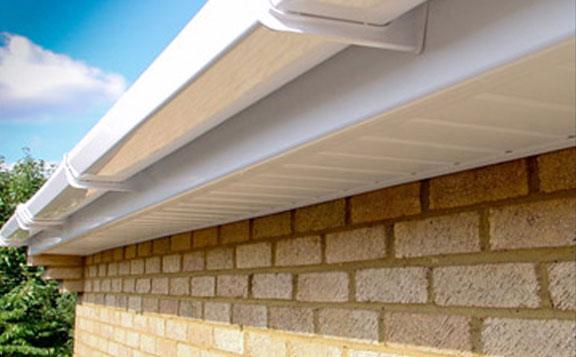
Your home’s roofline works quietly in the background every day. Fascias, soffits, guttering and downpipes help protect the roof structure, direct rainwater away from the building and give the exterior a clean, finished appearance.
Because these components aren’t something homeowners interact with regularly, it’s easy to forget about them until a problem appears. A leaking gutter, cracked fascia or damaged soffit can suddenly raise an important question: how often does uPVC roofline actually need replacing?
There isn’t one fixed replacement schedule. Quality uPVC roofline products can last for decades when properly installed and maintained. However, Scotland’s rain, wind, frost and changing temperatures mean roofline components should still be inspected periodically.
Knowing what affects their lifespan and recognising the warning signs can help you replace roofline components before small problems lead to expensive damage.
Taybuild provides roofline solutions for homeowners across Dundee, Angus, Perthshire, North Fife and surrounding areas, helping protect properties while reducing the maintenance associated with older timber systems.
What Does “Roofline” Actually Include?
Roofline isn’t a single product. The term describes several components positioned around the edge of your roof.
The main parts include:
- Fascias: boards fitted along the roof edge that help support the guttering.
- Soffits: panels underneath the roof overhang that protect the underside of the roof structure.
- Guttering: channels that collect rainwater from the roof.
- Downpipes: pipes that direct collected water towards the drainage system.
Bargeboards may also form part of the roofline on properties with gable ends.
Each component performs a different job, but they need to work together to provide effective protection.
How Long Does uPVC Roofline Last?
A properly installed uPVC roofline can commonly provide several decades of service. However, it is better to assess its condition than replace it automatically after a particular number of years.
Its actual lifespan depends on several factors:
- Product quality
- Installation quality
- Exposure to the weather
- Regular maintenance
- Condition of the underlying roof structure
A sheltered property may experience less weather-related wear than a home exposed to strong winds and driving rain.
Likewise, guttering surrounded by trees may require more frequent maintenance because leaves and debris can cause repeated blockages.
Why Is uPVC Used for Roofline?
Traditional roofline systems were commonly manufactured from timber. Although timber can look attractive, it needs regular maintenance to protect it against moisture.
If protective paint begins to fail, water can penetrate the wood and eventually cause rot.
uPVC provides a lower-maintenance alternative. It doesn’t require routine painting or staining and isn’t susceptible to timber rot.
Other advantages include:
- Good weather resistance
- Easy cleaning
- A neat, consistent finish
- Low ongoing maintenance
- Long-term durability
For Scottish homeowners who don’t want to repaint difficult-to-access fascia boards every few years, these benefits can make uPVC particularly attractive.
1. Look for Cracks and Physical Damage
Visible damage is one of the clearest signs that your roofline needs attention.
Over time, ageing materials may develop cracks, splits or loose sections. Storms and accidental impact can also cause damage.
A small crack doesn’t necessarily mean the entire roofline requires immediate replacement. However, damaged sections should be assessed before they allow moisture to reach areas behind the fascia or soffit.
Look at the roofline periodically from ground level, particularly after severe weather.
If anything appears loose, cracked or out of alignment, arrange a professional inspection rather than attempting to access the roof yourself.
2. Watch for Leaking or Overflowing Gutters
Guttering plays a major role in protecting your property from rainwater.
During heavy rainfall, water should travel along the gutter and into the downpipe rather than pouring over the edges.
Overflowing gutters can be caused by:
- Leaves and debris
- Blocked downpipes
- Incorrect gutter falls
- Cracked joints
- Sagging sections
A simple blockage may only require cleaning. Repeated leaking, sagging or cracking could indicate that parts of the guttering system are approaching the end of their useful life.
Ignoring the problem can allow water to repeatedly run down external walls.
3. Check for Staining and Damp
Roofline problems aren’t always visible directly on the fascia or gutter.
Sometimes the first indication is staining elsewhere on the property.
Dark marks below guttering, damp patches on external walls or moisture around roof edges can indicate that rainwater isn’t being managed properly.
You may also notice signs inside the loft.
Moisture entering through damaged roofline areas can potentially affect timber, insulation and other building materials.
Finding the source early can prevent a relatively manageable repair from becoming a larger problem.
4. Pay Attention to Soffit Ventilation
Soffits don’t simply create a tidy finish underneath the roof edge. Depending on the roof design, they may also contribute to ventilation.
Proper airflow helps manage moisture within the roof space and reduces the risk of condensation.
If soffit vents become blocked or the panels are damaged, ventilation can be affected.
When replacing older roofline components, ventilation requirements should therefore be considered as part of the complete installation rather than simply covering existing materials with new uPVC.
Does Discolouration Mean Replacement Is Necessary?
Not always.
Older uPVC can gradually become discoloured through exposure to dirt, pollution and weather. In many cases, careful cleaning may improve its appearance considerably.
Cosmetic discolouration alone doesn’t necessarily mean the product has failed.
However, fading combined with brittleness, cracking or warped sections could indicate significant ageing.
The important distinction is between an appearance issue and a performance issue.
If the roofline is still secure, watertight and functioning properly, replacement may not yet be necessary.
Repair or Replace: How Do You Decide?
Minor localised problems can sometimes be repaired.
For example, replacing a damaged gutter joint may be sufficient if the rest of the system remains in good condition.
Complete replacement becomes more sensible when:
- Damage appears across multiple sections.
- Fascias or soffits are becoming brittle.
- Guttering repeatedly leaks or sags.
- Previous repairs keep failing.
- Timber underneath has deteriorated.
- The roofline is nearing the end of its serviceable life.
Replacing several failing components together can also create a more consistent appearance and reduce the need for repeated work.
What About Old Timber Roofline?
Homes with older timber fascias and soffits require particular attention.
Peeling paint may seem like a cosmetic problem, but it can allow moisture to penetrate the timber underneath.
Common warning signs include:
- Flaking or bubbling paint
- Soft sections of wood
- Visible rot
- Guttering pulling away from the fascia
- Frequent repainting becoming necessary
Replacing ageing timber with uPVC can significantly reduce ongoing maintenance while providing a fresh exterior finish.
Can Roofline Problems Affect Other Parts of Your Home?
Yes. The roofline is closely connected with rainwater management and roof protection.
If gutters fail, water may run repeatedly down walls or collect close to the building. If fascia or soffit sections deteriorate, vulnerable parts of the roof structure may become more exposed.
Potential consequences can include damp, damaged exterior finishes and deterioration of underlying timber.
This is why preventative maintenance matters. Spending a small amount of time checking the roofline can help identify problems before they spread.
How Can You Extend the Life of uPVC Roofline?
uPVC is low maintenance, but low maintenance doesn’t mean no maintenance.
A few simple habits can help protect the system:
- Keep gutters and downpipes clear.
- Check for visible damage after severe storms.
- Clean accessible uPVC surfaces periodically.
- Investigate leaks rather than ignoring them.
- Arrange professional inspections when problems appear.
Properties close to trees may need more frequent gutter cleaning, particularly during autumn.
Regular attention helps rainwater move freely and reduces unnecessary strain on gutter joints and fixings.
Why Professional Roofline Installation Matters
The lifespan of uPVC roofline depends heavily on how it is installed.
Simply covering deteriorating timber without investigating what’s underneath may conceal existing problems rather than solve them.
A professional installation should consider the condition of the supporting structure, ventilation, gutter alignment and drainage.
Correctly positioned guttering must direct water efficiently towards downpipes, while fascias and soffits need to be securely fitted and properly finished.
Quality installation gives the entire roofline system the best opportunity to perform reliably for many years.
So, When Should You Replace Your uPVC Roofline?
There isn’t a universal rule that says uPVC roofline must be replaced every 10, 20 or 30 years.
Instead, base the decision on its condition and performance.
If your roofline remains secure, properly aligned and free from significant damage, there may be no reason to replace it simply because it has reached a certain age.
If you’re seeing repeated leaks, cracks, sagging gutters, loose panels or widespread deterioration, professional assessment is worthwhile.
Protect Your Home With Taybuild
Your roofline plays an important role in protecting your home from Scotland’s challenging weather. Keeping fascias, soffits, guttering and downpipes in good condition can help prevent avoidable water damage while keeping the exterior looking smart.
If your existing roofline is ageing, damaged or requiring frequent maintenance, Taybuild can assess your property and discuss suitable uPVC roofline solutions.
Serving homeowners across Dundee, Angus, Perthshire, North Fife and surrounding areas, Taybuild provides professional home improvement services designed for Scottish properties.
To arrange a free survey and no-obligation quotation, contact Taybuild today. Call us 01382 739763 or Email us info@taybuild.co.uk.
