

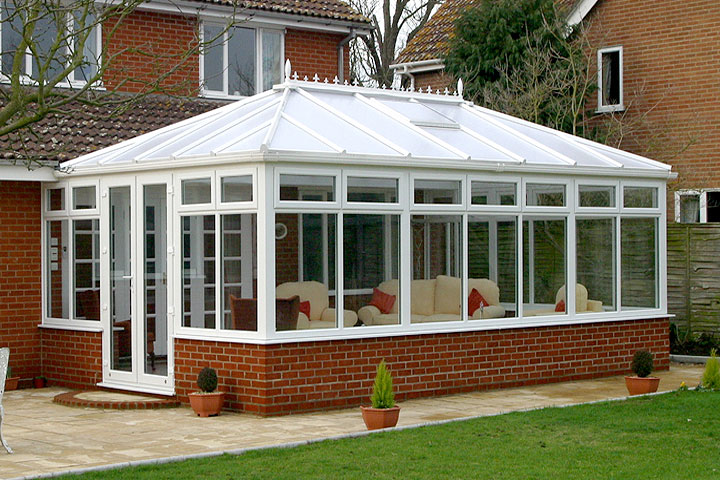
Choosing between a new conservatory or home extension is not always straightforward. Both can add useful space, improve how your home functions, and make the property more appealing in the long run. The better investment depends on your budget, the style of your home, how you plan to use the new area, and whether the project needs to tie in with other upgrades such as windows doors improvements or a broader exterior refurbishment.
For homeowners in Dundee Scotland and the surrounding area, the decision often comes down to balancing cost, practicality, and long-term value. At Taybuild, these are the conversations that shape good results. A bright conservatory can transform the back of a home, while a carefully planned extension can change the way the whole property works. The right answer is the one that suits the building and the people living in it.
Understanding What a Conservatory Can Offer
A conservatory remains a popular choice because it adds an extra room without the scale of work involved in a full extension. It brings in a high level of natural light and often creates a pleasant link between the house and the garden. For some households, that makes it ideal as a dining room, second sitting room, reading space, or family area.
Another reason homeowners consider this option is speed and cost. In many cases, a conservatory can be built more quickly than an extension, which can make the overall process feel more manageable. It can also be a practical route for those who want more space without altering the footprint of the main house to the same degree.
Comfort and year-round use
Modern conservatories are a long way removed from the cold or overly warm structures people may remember from years ago. With the right specification, materials, and glazing, they can offer a comfortable room for much more of the year. Features such as double glazing, strong roof design, and carefully chosen doors all play a part in making the space usable in changing weather.
How it fits with wider upgrades
A conservatory can also work well as part of a larger improvement plan. If you are already replacing upvc windows, updating old frames, or improving access to the garden, the project can be designed so the new room feels consistent with the rest of the house rather than added on as an afterthought.
What Makes a Home Extension Different
A home extension usually offers more flexibility because it becomes a fuller continuation of the existing property. Instead of creating a room that feels connected to the outdoors, an extension often becomes part of the core living area. That can make it especially attractive for homeowners who need more kitchen space, an extra bedroom, a home office, or a larger open-plan layout.
More freedom in layout
This option can also provide more freedom in how the space is configured. A homeowner may want better circulation, a utility room, more storage, or a new family hub that changes how the ground floor works. An extension allows for that level of redesign in a way that a conservatory usually does not.
A more involved project
The trade-off is that extensions are generally more involved. They tend to require more planning, a higher budget, and a longer build programme. Depending on the property, there may also be more disruption while the work is taking place.
Even so, for many households, that extra investment is worthwhile because the finished result feels fully integrated with the original house. At Taybuild, projects of this kind are approached with a focus on how the new area will look and perform over time. That may include matching finishes, considering rooflines, and specifying products such as double glazed windows that support comfort and visual consistency across the whole build.
Comparing Cost and Return on Investment
When people ask which is the better investment, they are usually talking about cost versus value. On a purely upfront basis, a conservatory is often the less expensive route. It can deliver a noticeable improvement in space and light without the same level of structural work required for an extension.
A home extension, however, may offer greater long-term value where additional floor area is the main goal. If the project creates a larger kitchen, another bedroom, or a more practical layout, that can have a stronger impact on how the property is used and perceived. The return is not only about resale. It is also about whether the improvement solves the problems that made you consider building in the first place.
That is why there is no universal answer. A conservatory may be the better investment for one property because it adds exactly the kind of room the owners want. For another home, only an extension will create the space needed to make daily life easier. The better investment is the one that brings lasting benefit rather than the one with the lowest initial figure.
Importance of Energy Performance
Whichever option you choose, energy efficiency should be part of the decision from the start. Whichever option you choose, energy efficiency should be part of the decision from the start. Extra space only feels like a good investment if it is comfortable to use through the year and does not create avoidable heating costs.
Glazing and insulation choices
Good glazing and proper installation matter here. Products such as double glazing windows, well-insulated roof systems, and carefully fitted frames can help maintain a more stable temperature inside. If the project includes new external access points, the choice of composite doors can also improve insulation and security.
Related products that affect performance
For some homes, the new build may sit alongside wider upgrade work, such as replacing older frames with sliding sash windows or improving other openings with double glazed windows doors that allow more light into the rear of the property. These details influence not only appearance but also how the space performs day to day.
Design Continuity Across the Property
One of the biggest differences between a good addition and an awkward one is how well it belongs to the home. A conservatory should feel proportionate and properly connected, while an extension should sit naturally with the existing structure rather than fighting against it.
This is where product choice and design consistency come in. Details such as double glazing composite doors, matching trims, and carefully selected glazing styles can help the new space relate to the rest of the property. In some homes, a more traditional approach may suit the architecture better. In others, a cleaner modern finish will feel more appropriate.
If the project forms part of a broader exterior update, it may also make sense to review existing openings, doors, or older glazing at the same time. Coordinating these elements often produces a better end result than upgrading one part of the house in isolation.
Planning, Compliance, and Professional Advice
A conservatory and an extension both need to be planned properly, even though the level of structural work and regulation may differ. Exact requirements will depend on the property and the nature of the project, so it is always sensible to get qualified advice before moving ahead.
Why early planning matters
The first step is understanding what the space needs to achieve and how it will connect with the rest of the home. A well-planned project is more likely to feel practical, look consistent, and avoid unnecessary changes once work begins.
Choosing the right professionals
Some of the draft industry references people see online are not especially helpful in this context, and they can even be misleading when dropped into consumer articles without explanation. What matters more is working with experienced professionals who understand design, installation, and local conditions.
If you are comparing quotes, it is worth speaking to double glazing specialists and experienced builders who can explain the practical differences between the options in plain terms. Homeowners often begin by asking for a double glazing quote, but the wider value lies in understanding how the glazing, structure, and layout come together.
Looking beyond installation alone
The role of double glazing installers is important, but so is the broader design and construction approach behind the project. A good result depends on more than fitting products well. It also depends on how the whole addition is designed, specified, and integrated with the existing property.
Understanding industry references
Where formal standards or consumer protections are relevant, they should be named accurately. References such as the glass glazing federation, the british fenestration rating council, or the financial conduct authority may appear in the wider home improvement sector, but they should never replace a clear assessment of what your own property needs.
Equally, claims such as being a british safety council member may sound reassuring, but the real test is whether the company can deliver suitable work, honest guidance, and a finish that stands up over time.
Conservatory or Extension: Which Suits Your Home Best?
If your priority is adding a light-filled room with a more contained build process, a conservatory may be the stronger option. It can be a practical way to create extra living space while keeping the project more focused in scale and cost.
If your goal is to reshape the home more fundamentally, a home extension may offer better value in the long term. It can create a room that feels like part of the original house and give you more control over how the space is used.
The best decision usually comes from looking at the property as a whole. Consider how much space you really need, how you want the finished area to feel, and whether the project should sit alongside related improvements such as updated glazing, doors, or roofline work.
Why Taybuild Is a Strong Choice for the Project
At Taybuild, home improvements are approached with a practical view of how people actually use their properties. Whether you are considering a conservatory, planning an extension, or reviewing glazing and access at the same time, the aim is to create an addition that looks right, performs well, and adds genuine day-to-day value.
Homeowners can explore conservatories and orangeries, review home extension options, or compare window styles and glazing solutions as part of planning the right next step. It is also worth looking at external door options and roofline improvements where a broader exterior upgrade is being considered. For direct advice about your own property, use the Taybuild contact page to start the conversation.
Conclusion
The choice between a new conservatory or home extension comes down to what you need from the space and how you want your home to function in the years ahead. A conservatory can be an effective way to add light and flexibility with a more modest build, while an extension may offer greater long-term impact where integrated space is the priority.
For homeowners looking to invest wisely, the most important step is choosing a solution that suits the property rather than following a one-size-fits-all answer. Taybuild offers conservatories, extensions, glazing upgrades, doors, and related home improvement services to help you make that choice with confidence. Visit https://taybuild.co.uk/ and speak to Taybuild about the option that fits your home best.
