

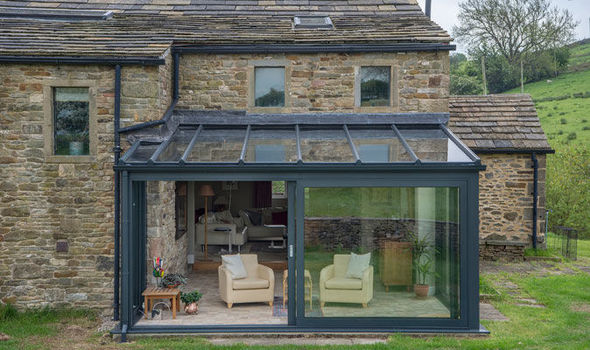
Orangery or conservatory decisions often come down to more than aesthetics. Homeowners in the UK are investing in long-term property value, energy efficiency, and additional living space. Although both options bring natural light into the home, they differ in construction, insulation, and cost implications. It is also important to review planning permission and building regulations at an early stage to avoid delays or compliance issues.
If you are ready to explore your options, you can get expert guidance or book a consultation here.
What Defines an Orangery in Modern UK Homes
A modern orangery is typically a more solid extension that blends traditional architecture with contemporary design. It usually features:
- A brick base for strength and insulation
- A partially glazed structure for balanced light and privacy
- A lantern roof that enhances natural brightness
Orangeries feel more like an extension of your home rather than a separate garden space. They are often chosen for dining rooms, kitchens, or year-round living areas.
What Defines a Conservatory
A conservatory is generally a lighter structure designed to maximise natural light and outdoor views. It usually includes:
- Fully glazed walls and roof sections
- Lightweight frames such as aluminium or uPVC
- A design focused on openness and brightness
Conservatories are ideal for relaxing spaces, plant rooms, or sun lounges, although they can be more affected by temperature changes if not properly insulated.
Historical Origins vs Modern Interpretations
Historically, orangeries were built for wealthy estates to protect citrus trees during colder months. Conservatories also began as plant-growing spaces before evolving into home extensions. Today, both designs have modern engineering improvements that make them suitable for everyday living, but their core structural differences remain.
How Materials Affect Insulation, Light, and Durability
Material choice plays a major role in performance. Brick-based orangeries generally offer better insulation and year-round usability, while glass-heavy conservatories maximise daylight but may require advanced glazing solutions to maintain comfort in colder months. The balance between light and energy efficiency is often the deciding factor for homeowners.
Common Misconceptions Homeowners Make
Many people assume orangeries and conservatories are interchangeable, but they are not. A few common mistakes include:
- Assuming both require the same level of planning permission
- Expecting identical temperature control
- Choosing based only on appearance rather than function
In reality, each structure may fall under different building regulations depending on size, design, and location, so early advice is essential.
Planning Permission, Climate Impact & Building Regulations
When deciding between an orangery or conservatory, it is essential to consider planning permission, building regulations, and the UK climate. These factors directly influence not only whether you can build your extension but also how comfortable, efficient, and compliant it will be in the long term. Making the right choice early can save time, reduce costs, and improve year-round usability.
When Planning Permission Is Required in the UK (and When It Is Not)
In many cases, conservatories and some orangeries fall under permitted development rights, meaning planning permission is not always required. However, permission is usually needed if:
- The extension exceeds size or height limits
- The property is in a conservation area or listed
- The design significantly alters the home’s appearance
- Permitted development rights have been removed
It is always advisable to check with your local authority before proceeding, as rules can vary across the UK.
Building Regulations: Thermal Efficiency, Safety Glass, and Structural Rules
Even if planning permission is not required, building regulations must still be followed. These ensure safety and performance standards are met. Key requirements include:
- Energy efficiency standards for walls, roofing, and glazing
- Use of safety glass in doors and large glazed areas
- Structural integrity to support roof loads and weather conditions
- Proper ventilation to prevent condensation and damp issues
Meeting these standards ensures your orangery or conservatory is safe, durable, and compliant.
How UK Weather Influences Design Choice
The UK climate plays a major role in choosing between an orangery and conservatory. Conservatories, with more glass, may experience overheating in summer and heat loss in winter. Orangeries, with more solid construction, generally offer better temperature control. Condensation is also a common concern in poorly insulated structures, especially during colder months.
South-Facing vs North-Facing Installations and Performance Differences
Orientation significantly affects comfort and energy efficiency:
- South-facing installations receive more sunlight, increasing warmth and natural light but may require shading solutions
- North-facing installations receive less direct sunlight, making insulation and heating efficiency more important
- East or west-facing structures often experience temperature variation throughout the day
Choosing the right orientation helps optimise comfort and reduce energy costs.
Importance of Energy Efficiency Standards for Year-Round Use
If you plan to use your orangery or conservatory throughout the year, energy efficiency is essential. High-quality glazing, insulated roofing systems, and efficient design all help maintain comfortable temperatures. This reduces reliance on heating and cooling systems, making the space more sustainable and cost-effective in the long term.
Orangery vs Conservatory — Which Is Right for Your Home and Lifestyle?
Choosing between an orangery and a conservatory is a key decision for homeowners looking to extend their living space. Both options improve natural light and add value, but they differ in structure, insulation, and long-term usability.
Best Use Cases: Dining Space, Home Office, Lounge, Garden Room
Both structures are versatile, but their design often influences how they are best used.
| Space Type | Conservatory Use | Orangery Use |
| Dining Area | Occasional use, informal dining | Ideal for year-round dining |
| Home Office | Suitable but temperature may vary | More stable, comfortable environment |
| Lounge Space | Bright relaxation area | Cosy, integrated living extension |
| Garden Room | Strong indoor-outdoor feel | More enclosed and private |
Conservatories work best as light, relaxed spaces, while orangeries suit more functional, everyday living.
Seasonal Usability: Year-Round Comfort vs Seasonal Living Space
One of the biggest differences is temperature control.
- Conservatories:
- High natural light exposure
- Can become too hot in summer and cold in winter
- Often considered seasonal living spaces
- Orangeries:
- Better insulation due to brickwork and solid roofing
- Suitable for year-round use
- More energy efficient in colder months
This makes orangeries a more practical choice for daily living in the UK climate.
Aesthetic Impact on Period Homes vs Modern Properties
Design compatibility is an important factor for many homeowners.
- Conservatories:
- Lightweight, glass-heavy structure
- Suits modern homes or garden-focused extensions
- Less visually dominant
- Orangeries:
- Brick pillars and solid roof structure
- Blends well with period and traditional homes
- Feels like a natural extension of the property
For heritage properties, orangeries often provide a more balanced architectural match.
Privacy, Noise Control, and Integration with Existing Architecture
Comfort is not just about appearance, but also practicality.
Orangeries generally offer:
- Better privacy due to solid walls
- Improved noise reduction
- Seamless integration with existing rooms
Conservatories, while bright and open, may require additional blinds or glazing solutions to improve privacy and reduce external noise.
How Lifestyle Needs Should Guide the Final Decision
The right choice depends on how you plan to use the space daily.
Consider the following:
- If you want a bright, seasonal retreat, choose a conservatory
- If you need a functional all-year-round room, choose an orangery
- If privacy and insulation matter, an orangery is more suitable
- If your priority is natural light and garden views, a conservatory may be ideal
Cost, Energy Efficiency & Long-Term Value: What UK Homeowners Should Expect
When deciding between an orangery and a conservatory, UK homeowners often focus on appearance first. However, cost, energy efficiency, and long-term value play an even bigger role in determining which option delivers the best investment.
Typical Price Differences Between Orangeries and Conservatories
One of the most important considerations is upfront cost. Generally, conservatories are more affordable due to their lighter structure and simpler design, while orangeries tend to require more complex building work.
- Conservatories: typically £10,000 to £30,000 depending on size and materials
- Orangeries: typically £25,000 to £60,000 or more depending on specification
Orangeries often include more brickwork and a solid roof, which increases both material and labour costs but also improves insulation and durability.
Heating Costs and Insulation Performance Comparison
Energy efficiency is a major deciding factor for many homeowners. Conservatories, with their larger glass areas, can be more prone to heat loss in winter and overheating in summer. Orangeries, on the other hand, tend to offer better insulation due to their solid roof and partial brick construction.
In practical terms:
- Conservatories may require more heating in colder months
- Orangeries generally retain heat more effectively
- Modern glazing improves performance in both options
Choosing energy-efficient glazing and roofing systems can significantly reduce long-term energy bills.
Maintenance Differences (Frames, Glazing, Roofing Systems)
Maintenance requirements also differ between the two structures. Conservatories often rely more heavily on glass and uPVC frames, which may require regular cleaning and occasional seal replacement. Orangeries typically include more robust brickwork and tiled roofing, reducing long-term maintenance needs.
Key differences include:
- Conservatories: more frequent glazing and seal upkeep
- Orangeries: lower maintenance due to solid structure
- Both require periodic inspections for weather sealing
Impact on Property Value and Buyer Appeal in the UK Housing Market
Both orangeries and conservatories can increase property value, but their impact depends on design quality and integration with the existing home. Orangeries are often seen as more permanent extensions, which can appeal strongly to buyers looking for additional living space.
Well-designed additions can:
- Improve kerb appeal
- Increase usable living space
- Enhance marketability in competitive housing areas
Long-Term ROI: Which Option Offers Better Practicality and Durability
From a long-term perspective, orangeries generally offer better durability and insulation, which can translate into lower running costs and higher perceived value. Conservatories remain a cost-effective option for homeowners seeking a bright, flexible space without a large initial investment.
Should You Choose an Orangery or Conservatory in the UK
If you are deciding between an orangery and a conservatory, think beyond the initial price. Energy efficiency, insulation, and long-term value will impact your comfort and running costs for years. At Taybuild®, we deliver high-quality home improvement solutions designed for lasting performance. Based in Dundee, we specialise in double glazing, PVC doors and conservatories. Contact us today on 01382 739763 or info@taybuild.co.uk to start your project.
