

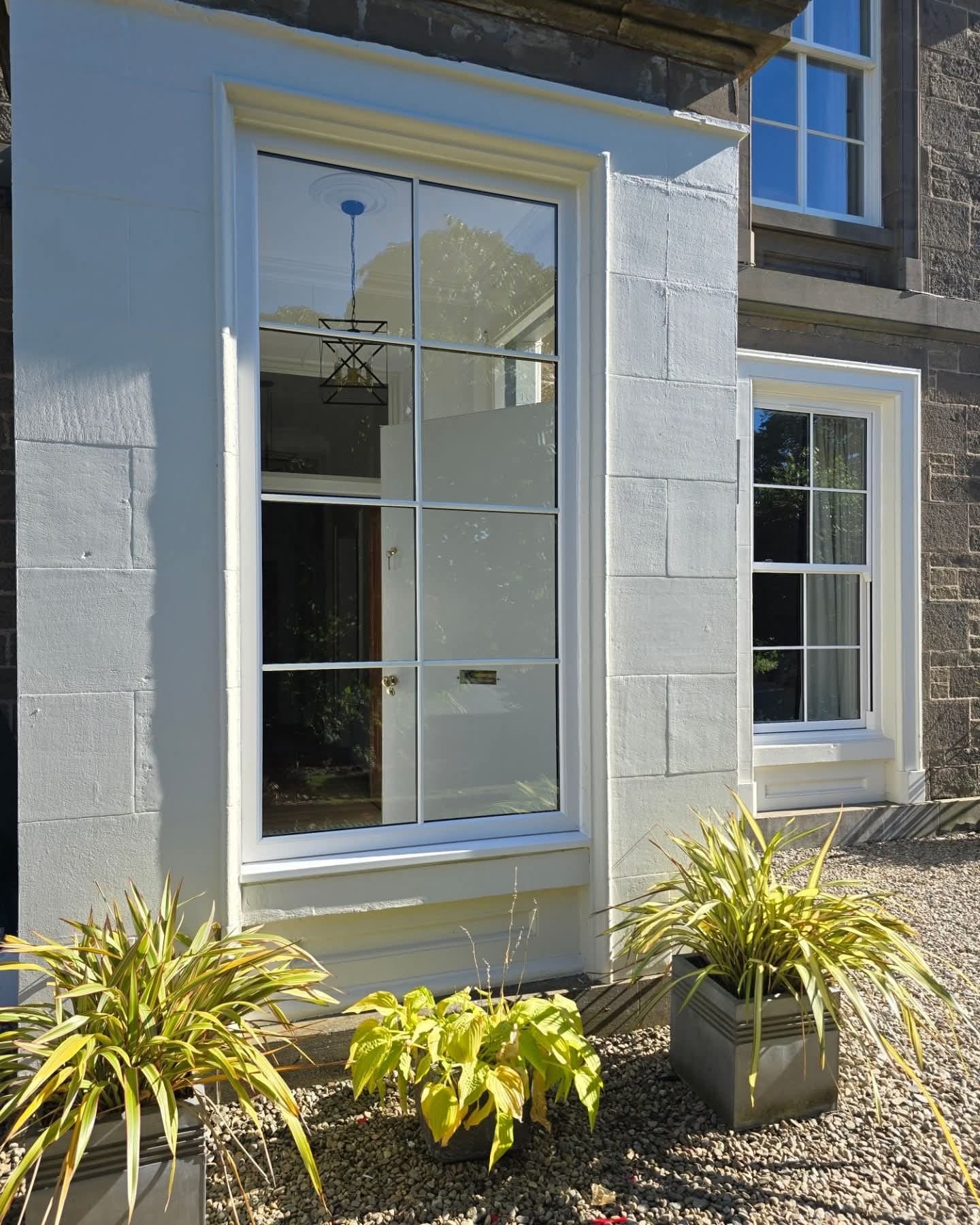
For many Scottish homeowners, triple glazing is worth considering, but it is not automatically the best choice for every property. The extra pane can improve thermal comfort, reduce outside noise and make cold, exposed rooms feel more stable. However, the result depends on the complete window specification, installation quality, orientation, ventilation, existing insulation and the price difference between double and triple glazing.
Energy Saving Trust says triple glazing is around 20% more expensive than double glazing, although the actual premium varies by window style, frame, size and supplier. The useful question is whether its additional performance justifies the extra cost in your home.
This guide explains how triple glazing works, how it compares with double glazing and what to ask during a survey.
What Is Triple Glazing?
Double glazing uses two panes of glass separated by a sealed gap. Triple glazing uses three panes, creating two sealed gaps. Those gaps may contain air or an inert gas such as argon, which helps slow heat transfer through the unit.
The glass is only one part of the system. Frames, spacer bars, seals, low-emissivity coatings and installation all influence the finished window, so a technically impressive unit cannot compensate for poor fitting or gaps around the opening.
Triple glazing is heavier than double glazing, which can affect frames, hinges, hardware and installation, particularly for large openings or older properties. A survey should confirm that the proposed window style is suitable before you compare prices.
Triple Glazing Versus Double Glazing: What Changes?
The main practical difference is the additional barrier between the inside of your home and the outside air. In a well-designed triple-glazed window, this can reduce heat transfer and make the internal glass surface feel less cold in winter.
| Factor | Double Glazing | Triple Glazing |
|---|---|---|
| Number of panes | Two | Three |
| Insulation | Strong performance for many homes | Higher potential thermal performance |
| Cold-surface comfort | Usually much better than single glazing | Can reduce cold spots further |
| Noise reduction | Often effective, depending on specification | May improve comfort, but glass thickness and acoustic design matter |
| Weight | Lower | Higher |
| Purchase price | Usually lower | Usually higher |
| Best fit | Many standard replacement projects | Cold, exposed, noisy or highly insulated homes where the upgrade is justified |
A high-performing double-glazed window can be a better choice than a poorly specified triple-glazed window. Compare the whole-window performance rather than counting panes alone.
Why Scotland’s Climate Matters
A Scottish home may face wind-driven rain, long heating seasons, damp conditions, coastal exposure and sharp temperature changes. The Scottish Government’s domestic building standards guidance highlights U-values, thermal bridging, air infiltration and controlled ventilation as part of reducing heat loss. This explains why the surrounding wall, frame, seal and installation detail matter alongside the glass.
Triple glazing may be particularly attractive where you have:
- A north-facing room that feels cold even when heated.
- A property in an exposed coastal, rural or elevated location.
- Large areas of glazing facing prevailing winds or significant traffic noise.
- An extension or new-build specification designed around high levels of insulation.
A sheltered property with good double glazing, effective draught control and balanced insulation may gain more from improving another part of the building envelope first.
Understanding Triple Glazing U-Values And Energy Ratings
A U-value indicates how readily heat passes through a building element. A lower number generally indicates less heat transfer. The Scottish Government handbook gives U-value guidance for the building insulation envelope, while the Glass and Glazing Federation explains that a whole-window U-value considers the complete window system rather than the glass alone.
When comparing quotes, ask whether the stated U-value is for:
- The glass only.
- The centre of the glass.
- The complete window, including the frame and edge detail.
The third figure is usually more helpful for a homeowner comparing finished products. Also look for the window’s energy rating where one is provided. Energy Saving Trust notes that the rating scheme assesses factors including heat loss, draughts and solar gain, so it gives a broader indication than a U-value alone.
A lower U-value is not the only consideration. A highly insulated window may alter how a room gains solar heat, and an airtight replacement may increase the importance of background ventilation. The best specification balances heat retention, daylight, ventilation, noise, security and the character of the property.
What Are The Main Benefits Of Triple Glazing?
Warmer Internal Glass Surfaces
Triple glazing can make the area beside a window feel more comfortable in winter because the inner pane is better separated from outdoor conditions, particularly in rooms with large glazed areas.
Fewer Cold Spots
Cold surfaces can encourage condensation when warm, moist indoor air meets them. Energy Saving Trust says energy-efficient glazing can reduce cold spots and condensation on the inside of windows, while the GGF also stresses that adequate ventilation remains important. Triple glazing may help, but it is not a cure for high humidity, poor extraction or penetrating damp.
Potential Noise Reduction
An additional pane may contribute to a quieter room, but acoustic performance depends on glass thickness, spacing, frame, seals and the type of noise. Ask for an acoustic specification if noise is a major concern.
Improved Comfort In Exposed Homes
In a windy or exposed location, well-fitted windows can reduce draughts and make rooms feel more stable. The benefit comes from the complete installation: frame, seals, junctions and workmanship. Triple glazing may support that goal, but it cannot correct defective masonry, open vents that need attention or poor detailing around the opening.
Is Triple Glazing Worth The Extra Cost?
The answer depends on the starting point. If you are replacing single glazing or failed, draughty units, any properly specified modern replacement may deliver a noticeable comfort improvement. Compare the marginal benefit of triple glazing with other upgrades that may have a greater effect on your home.
Energy Saving Trust states that triple glazing is around 20% more expensive than double glazing, but that does not create a universal payback period. Savings depend on heating patterns, energy prices, window area, existing insulation, orientation and the condition of the old windows.
Consider three simplified scenarios:
| Home situation | Likely decision focus |
|---|---|
| Sheltered home with sound, modern double glazing | Compare the limited additional comfort against the upgrade cost. Triple glazing may not be the priority. |
| Older home with draughty windows and cold rooms | Compare triple glazing with high-quality double glazing and assess walls, roof, floors and ventilation at the same time. |
| Exposed or noisy property undergoing major renovation | Triple glazing may be more compelling because comfort, noise and long-term performance carry greater weight. |
A home survey is more useful than a generic online price because it reveals the property’s condition, dimensions, exposure and practical constraints.
When Double Glazing May Be The Better Choice
Double glazing remains a strong option for many Scottish homes. Taybuild describes its double-glazed windows as offering insulation and noise-control benefits, and its wider window range includes A-rated options and made-to-measure designs.
Double glazing may be more suitable when:
- The budget is limited and several windows need replacing.
- The home has more urgent heat-loss or ventilation problems.
- The property is relatively sheltered.
- The proposed window openings or hardware are not suited to additional weight.
- The triple-glazing upgrade does not provide a clear whole-window advantage.
A good installer should be able to explain what you gain from upgrading rather than treating triple glazing as the default answer. If the recommendation is based only on the number of panes, ask for more detail.
When Triple Glazing May Be The Better Choice
Triple glazing is more likely to justify its premium when the home has a clear need for higher thermal or acoustic performance. This might include an exposed Dundee, Angus, Perthshire or coastal property, extensive glazing, or a renovation where the insulation envelope is also being improved.
It may also suit a frequently used room that remains uncomfortable beside the windows, even when the financial payback is uncertain. Confirm that the product is proportionate: overspecifying glazing while leaving major draughts, uninsulated walls or inadequate ventilation unresolved may disappoint.
Questions To Ask Before Ordering Triple-Glazed Windows
Use your survey appointment to ask practical questions, not just “How much does triple glazing cost in Scotland?” Ask:
- What whole-window U-value and energy rating apply to the quoted product?
- How does the proposed triple-glazed unit compare with the quoted double-glazed alternative?
- What glass thicknesses and spacer specification are being used?
- Is the frame suitable for the additional weight?
- How will the installation deal with air leakage, thermal bridging and weather exposure?
- Will trickle vents or another ventilation method be required or retained?
- What happens if the property is listed or within a conservation area?
- Which guarantees, certificates and aftercare documents will be supplied?
- Are there any differences in opening size, sightlines or hardware between the two options?
- Can the company show the full quotation separately for products, installation and optional upgrades?
Taybuild’s stated process begins with a no-obligation home survey and measurements, followed by an itemised quote and design plan. Installation, handover, guarantees and aftercare are then handled as part of the project journey.
Choosing The Right Window Style And Frame
Glazing should be assessed alongside the window style. Taybuild’s guidance covers casement, tilt-and-turn and sash-and-case designs: casements are versatile, tilt-and-turn windows can support ventilation and cleaning access, while sash-and-case designs may suit traditional properties.
Frame material also affects appearance, maintenance, sightlines and performance. uPVC, aluminium and timber or heritage-style solutions each suit different homes. The right decision may therefore be triple glazing in a particular style and frame, not triple glazing everywhere. Review the elevation, room use, ventilation, opening direction and visual character before finalising the specification.
How To Make A Sensible Decision
A straightforward decision process is:
- Identify the problem. Is it heat loss, draughts, noise, condensation, security, appearance or a combination?
- Assess the whole home. Check insulation, ventilation, doors, roofline and other sources of heat loss.
- Request like-for-like quotes. Compare double and triple glazing using whole-window data, not only headline prices.
- Consider the room and elevation. A cold, noisy bedroom may justify a different specification from a sheltered hallway.
- Check installation and aftercare. A guarantee and clear handover matter as much as the brochure.
- Choose the improvement that solves the real problem.
Taybuild’s online brochures can help homeowners review available styles and manufacturer information before a consultation. A free survey and quote then allows the options to be assessed against the actual property rather than a generic estimate.
Frequently Asked Questions
Does Triple Glazing Stop Condensation?
It can reduce condensation risk on the internal glass by creating a warmer surface, but it will not solve every moisture problem. Indoor humidity, cooking, showering, drying clothes, ventilation and damp defects still matter. Condensation between sealed panes is a different issue and may indicate a failed sealed unit.
Is Triple Glazing Much More Expensive Than Double Glazing?
Energy Saving Trust says triple glazing is around 20% more expensive than double glazing, but the figure varies by product and project. Ask for a separate double-versus-triple comparison in your quotation rather than relying on a general percentage.
Is Triple Glazing Better For Noise?
It can help, but acoustic performance depends on the complete unit and the type of sound. Ask for the relevant acoustic specification if traffic, aircraft, rail or commercial noise is a major concern.
Can Triple Glazing Be Fitted To Any Window Style?
Many window styles can be ordered with double or triple glazing, but the frame, hinges, hardware, opening size and structure must be suitable for the additional weight. A survey should confirm what is practical for each opening.
Should Every Window In A Scottish Home Be Triple Glazed?
No. Some homes may benefit from triple glazing throughout, while others may achieve better overall results by combining high-performance double glazing with insulation, draught control, ventilation or targeted upgrades. The answer should be based on the property and the homeowner’s priorities.
Final Verdict: Is Triple Glazing Worth It In Scotland?
Triple glazing can be a worthwhile investment for Scottish homes that are exposed, noisy, heavily glazed or being upgraded as part of a wider energy-efficiency project. It can improve thermal comfort, reduce cold spots and contribute to a quieter interior. But the extra cost is not automatically justified in every room or every property.
The most reliable approach is to compare double and triple glazing on a whole-window basis, examine the installation details and consider the home’s other sources of heat loss. Taybuild can discuss the available options during a home survey and quotation, explain the difference between its double-glazing and triple-glazing choices, and help you select a specification suited to your property.
The best decision is the one that balances comfort, performance, durability, appearance and cost for the home you live in.
