

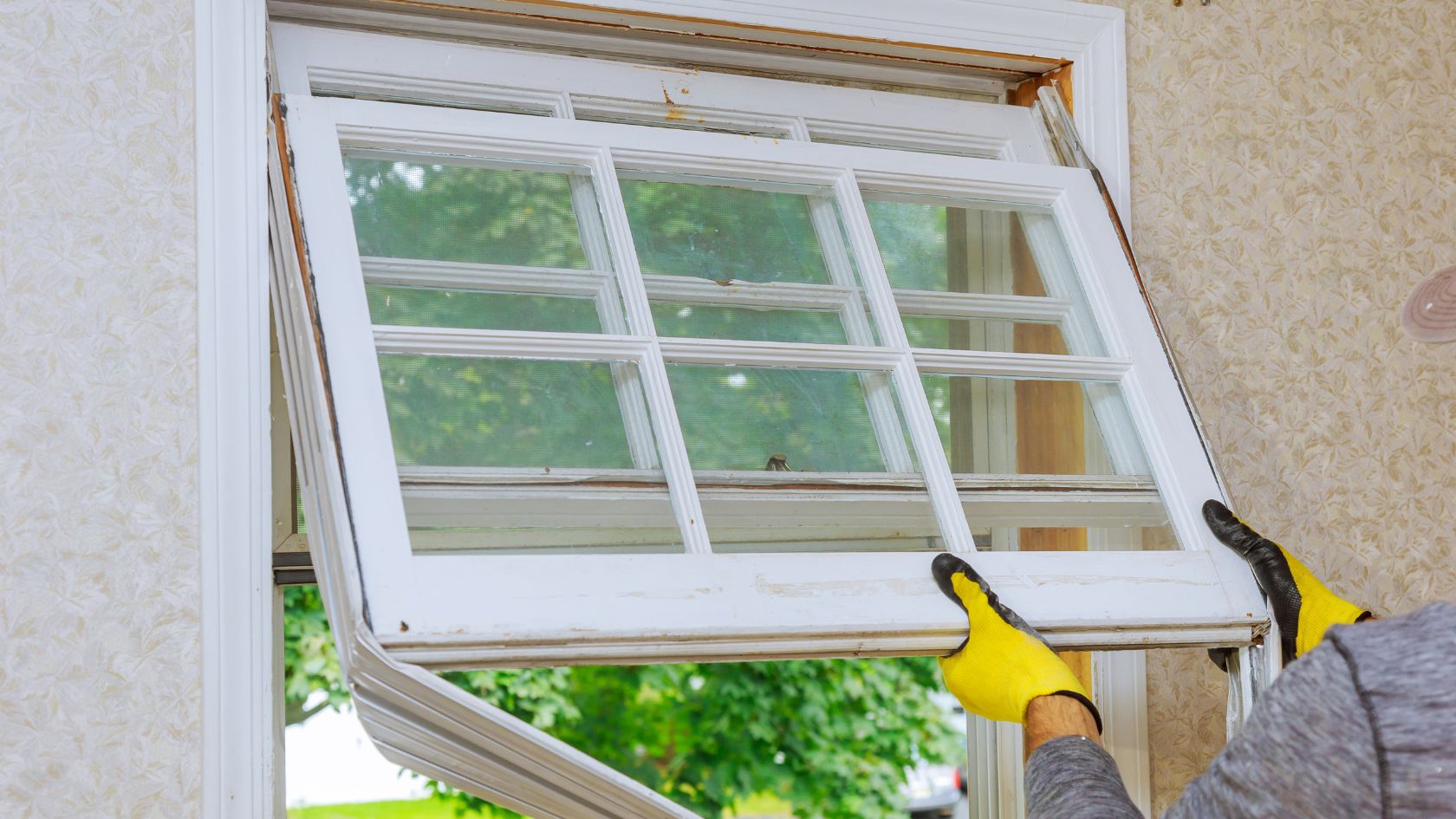
Replacing old windows is a common home improvement project for UK homeowners. Many choose window replacement to reduce energy bills, solve condensation issues, improve property value, or reduce outside noise. On average, uPVC windows last around 20 to 25 years, timber windows about 15 to 20 years, and aluminium windows can reach 30 years or more, depending on maintenance and exposure to the UK climate.
Why Replacement Is More Than Just Fixing a Broken Window
A window replacement can transform your home in several ways. Modern replacement windows are designed to be more airtight, durable, and stylish than older designs. Installing new windows improves insulation, helps prevent draughts, and can significantly reduce noise pollution from outside. By choosing the right materials and designs, homeowners can also improve the aesthetic appeal of their property, making it feel fresher and more modern.
Energy Efficiency Benefits
One of the most compelling reasons to invest in replacement windows is the improvement in energy efficiency. Energy-efficient windows help retain heat in winter and keep homes cooler in summer, lowering utility bills and reducing your carbon footprint. New windows can also help your property meet UK EPC (Energy Performance Certificate) standards, which is increasingly important for resale or rental purposes. Efficient glazing and properly sealed frames ensure that every room in your home benefits from optimal insulation.
Impact on Property Resale Value
New windows are a visible and lasting upgrade that can enhance your property’s resale value. Potential buyers often look for homes with modern, well-maintained windows, as they indicate overall property care. Investing in a replacement window is not just about comfort today—it’s about adding long-term value to your home. Homes with energy-efficient, visually appealing windows often stand out in the market, helping them sell faster and at a better price.
Legal Considerations and Compliance
Before undertaking a window replacement project, it is important to understand the legal requirements. In the UK, Building Regulations govern aspects such as thermal performance, ventilation, and fire safety for new windows. Certain projects may also require planning permission, particularly in listed buildings or conservation areas. Engaging a trusted home improvement provider ensures your window replacement meets all regulatory standards.
For expert advice and hassle-free installation, contact Taybuild® today to book a consultation or request a quote.
Assessing Your Current Windows and Home Conditions
Before committing to replacing windows, it’s essential to take a step back and assess the current condition of your home’s windows. Many homeowners rush into replacements without fully understanding the state of their existing glazing and frames. A thorough evaluation helps avoid unnecessary expenses and ensures that any investment in new windows delivers maximum benefits, including lower energy bills, improved comfort, and enhanced aesthetics. Here’s how to approach this process thoughtfully.
Diagnose Before You Replace
Treat this stage as a diagnostic check for your home. Examine each window closely to determine whether issues are superficial or signs of deeper problems. Key indicators that replacement may be necessary include:
- Rot or Decay: Wooden window frames showing signs of rotting often cannot be repaired effectively.
- Draughts: Feeling cold air seep in around the edges signals failed seals or deteriorating frames.
- Condensation Between Panes: Trapped moisture in double-glazed units suggests the glass has lost its insulating properties.
Understanding these signs helps you make an informed decision between repair and replacement, preventing unnecessary window installation costs.
Evaluating Frames, Sills, and Surrounding Walls
Your assessment should go beyond the glass itself. Inspect window frames, sills, and the surrounding walls for hidden structural issues. Loose frames or damaged sills can compromise a replacement, leading to higher replacement cost and reduced long-term performance. Ensure the surrounding walls are sound, especially in older properties, as structural weaknesses can affect the fit and stability of new windows. This step guarantees that your replacement windows will function optimally and last for years.
Special Considerations for Listed and Conservation Homes
If your property is listed or located in a conservation area, additional planning is required. Local regulations may restrict the types of windows or materials you can use. Consulting with a professional before replacing windows ensures compliance and helps you choose solutions that respect the building’s character while enhancing energy efficiency. Proper planning at this stage avoids costly adjustments and ensures your home maintains its heritage while reducing energy bills.
Accurate Measurements to Avoid Costly Mistakes
Accurate measurements are crucial before ordering new windows. Even small errors can result in ill-fitting units, installation delays, and increased replacement cost. Measure both the window frame and surrounding wall openings carefully, considering depth, width, and height. It’s also helpful to note any irregularities or existing damage that might affect installation. Professional window installation teams often offer measurement services to guarantee a precise fit, saving time and money in the long run.
Researching and Choosing the Right Window Options
Choosing the right windows for your home is about more than just appearance. UK homeowners need to balance style, practicality, security, and compliance with national standards. Selecting the right materials, understanding technical specifications, and working with professional window installers can significantly impact your property’s comfort, energy efficiency, and long-term value. Here’s a comprehensive guide to making informed window choices that suit your home.
Balancing Style, Compliance, and Long-Term Savings
When selecting windows, consider both aesthetics and functionality. Your choice should complement the property’s character while offering durability and energy efficiency.
- UPVC Frames: Affordable, low-maintenance, and widely available, making them a practical choice for most homeowners.
- Aluminium Frames: Sleek, strong, and ideal for modern homes with large windows or contemporary designs.
- Timber Frames: Perfect for heritage or listed properties, offering a classic, elegant look while providing excellent insulation if properly treated.
Understanding energy performance is crucial. Windows with high BFRC energy ratings and low U-values reduce heat loss, improve energy efficiency, and help homeowners save on heating costs over time. Combining style with performance ensures your windows remain both attractive and practical for years.
Security Features UK Homeowners Should Look For
Security is a key factor in choosing windows. Consider these features:
- Multi-point locks: Offer enhanced protection against forced entry.
- Reinforced Frames: Ensure your windows withstand impact and potential break-ins.
- PAS 24 Compliance: Guarantees that your windows meet rigorous UK security standards.
- Laminated or Toughened Glass Options: Add extra protection while maintaining clarity and appearance.
Prioritising security features helps homeowners protect their property and enjoy peace of mind without compromising on design or energy efficiency.
Why Choosing a FENSA or CERTASS-Registered Installer Matters
Working with certified installers guarantees correct installation and compliance with UK building regulations. Benefits include:
- Correct Fitting of Window Frames: Prevents air leaks, draughts, and condensation issues.
- Warranty Validity: Many window warranties require certified installation.
- Regulatory Compliance: Ensures your home meets current safety and energy efficiency standards.
Professional window installers provide expertise and efficiency, ensuring your new windows perform optimally from day one.
Matching Window Style to Property Character
Your window design should reflect your home’s architectural style:
- Victorian and Edwardian Homes: Traditional timber frames with decorative detailing preserve historic charm.
- Modern Builds: Sleek aluminium or UPVC frames enhance contemporary aesthetics.
- Heritage or Listed Properties: Consider conservation-style windows that meet regulatory requirements while maintaining style.
Choosing a window style that complements your property enhances curb appeal, preserves architectural integrity, and adds value to your home.
Preparing for Installation Day
Proper preparation ensures a smooth installation process. Tips for homeowners:
- Clear the area around existing windows.
- Plan for temporary disruption to routines during installation.
- Ensure pets and children are safely out of the way.
- Discuss final positioning and finishing touches with your installer.
Professional window installers will manage the removal of old frames and fitting of new units efficiently, leaving your home secure, stylish, and energy-efficient.
Preparing Your Home and Budget for Installation Day
Planning for a window installation goes far beyond simply clearing space and moving furniture. Proper preparation ensures a smooth, stress-free experience, keeps costs manageable, and protects your home during the installation process. By considering both practical and financial aspects ahead of time, you can enjoy the full benefits of your energy efficient windows and modern window treatments with minimal disruption.
Budgeting Realistically
One of the most overlooked steps is budgeting accurately for your project. Many homeowners focus solely on the cost of the windows themselves, but other factors can significantly affect your overall expenditure. Consider the following:
- Labour Costs: Skilled window installers may charge varying rates depending on experience and complexity of the job.
- Scaffolding or Access Equipment: Upper-floor installations may require temporary scaffolding.
- Disposal Fees: Removing and responsibly disposing of old windows can add to costs.
- Unexpected Repairs: Old window frames or surrounding walls might need attention, which can increase expenses.
Understanding VAT Implications
Many homeowners are unaware of VAT differences on home improvement projects. Energy-saving improvements often qualify for reduced rates. If your new windows or window treatments meet certain energy efficiency criteria, you could benefit from lower VAT. Consulting your window installer or financial advisor ahead of time ensures you’re taking advantage of all possible savings.
Scheduling Installation
Timing plays a crucial role in a smooth installation process. Avoid scheduling during extreme weather conditions or peak seasons when installers are in high demand. Planning ahead increases the likelihood of having your preferred installation date and allows the team to work efficiently without rushing. Choosing a calm, predictable period also reduces stress and minimises the impact on your daily routine.
Preparing Rooms and Protecting Your Home
Proper room preparation protects your floors, furniture, and belongings during installation. Some key tips include:
- Move furniture away from windows to provide installers with clear access.
- Cover floors and soft furnishings with dust sheets or protective mats.
- Remove fragile items or valuables from the work area.
- Consider temporary rearrangement for children, pets, or tenants to reduce disruption.
These steps not only prevent damage but also make the installation process quicker and safer for both you and the professionals.
Minimising Disruption for Your Household
Installing new windows can be noisy and dusty, which may disrupt daily routines. Plan ahead to keep children or pets occupied in another area and inform tenants or family members about the schedule. Clear communication with your window installer ensures everyone knows what to expect, which reduces stress and allows the team to complete the work efficiently.
Create a Maintenance Checklist
Once your windows are installed, maintaining them properly preserves performance and energy efficiency. Ask your installer for a maintenance checklist tailored to your specific windows. This may include tips on cleaning, checking seals, and monitoring hardware. Following this checklist protects your investment and ensures your energy efficient windows and window treatments continue delivering comfort and savings for years to come.
Stress-Free Window Installation Starts Here
Getting ready for window installation doesn’t have to be stressful. With a bit of preparation, you can make the process smooth and stress-free while getting the most out of your energy efficient windows and window treatments. Taybuild®, based in Dundee, is here to help. We offer custom-made UPVC double and triple glazing windows along with other home improvement products tailored to your needs. Our friendly team guides you through the installation process and makes sure everything goes as smoothly as possible.
If you’re thinking about upgrading your windows or sprucing up your home, give us a call at 01382 739763, email info@taybuild.co.uk, or check out taybuild.co.uk to see how they can help.
