

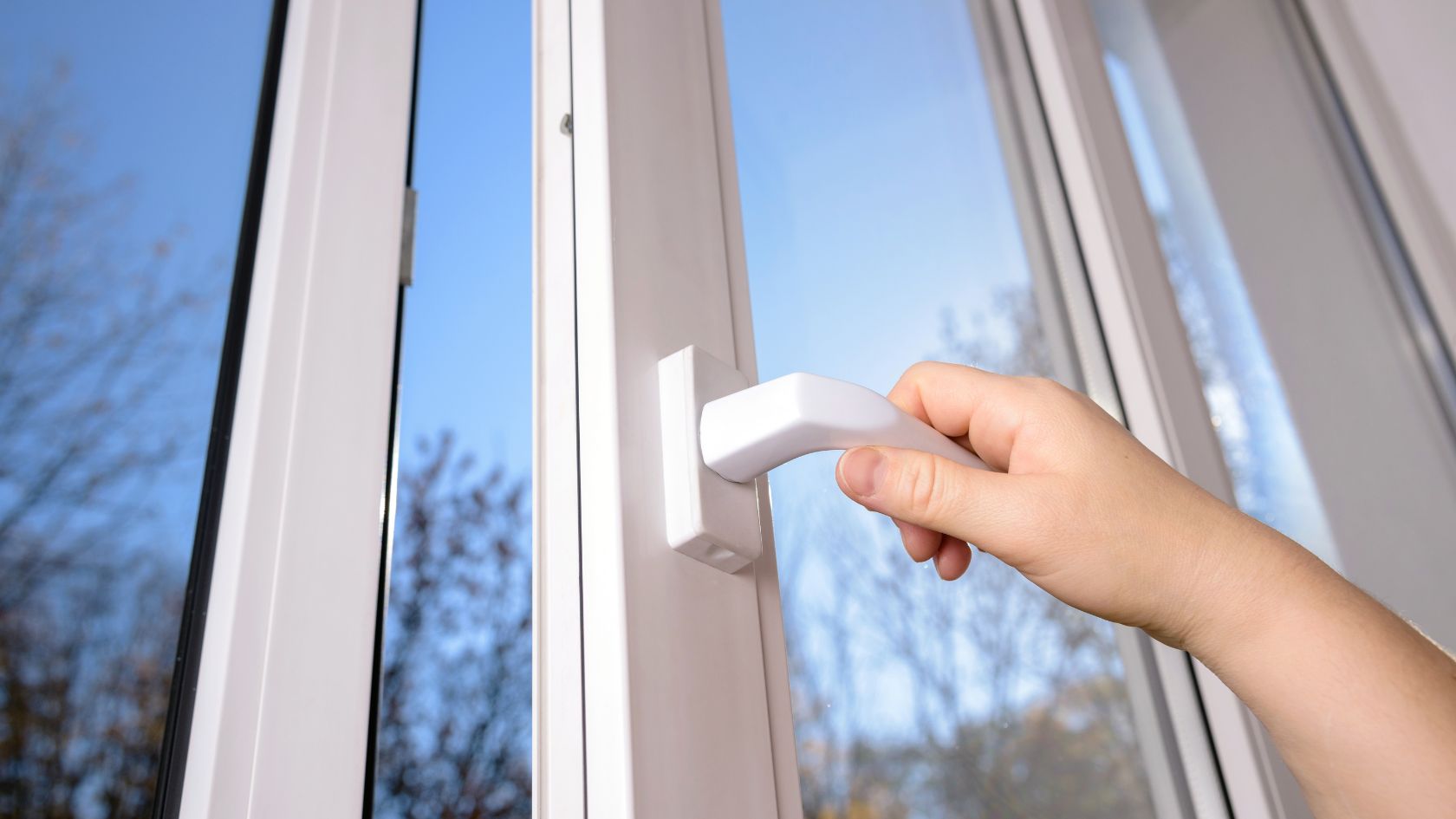
Double glazing is a home improvement feature designed to improve insulation and reduce energy loss. It typically consists of two layers of glass separated by a spacer and sealed to prevent drafts and condensation. A glazed window with this construction helps maintain indoor comfort, reduce heating bills, and improve soundproofing. In the UK, the average lifespan of double glazed windows ranges between 15 and 35 years, depending on quality, installation, and maintenance. Understanding how your double glazed window works and how to care for it is key to extending its life.
How Double Glazing Is Constructed
Double glazing is more than just two panes of glass. Its durability relies on several components:
- Frames: Materials like uPVC, aluminium, or timber influence longevity and maintenance requirements.
- Seals: High-quality seals prevent air and moisture infiltration, crucial for avoiding condensation between panes.
- Spacers: These keep the glass layers apart and can affect thermal performance.
- Coatings: Special low-emissivity coatings reflect heat back into the room and protect against UV damage.
Each part contributes to the overall performance and lifespan of your double glazed window. Regular inspections can catch small issues before they escalate.
Regional Impact on Durability
UK weather plays a significant role in the longevity of glazed windows. Coastal areas with salty air can accelerate corrosion on frames and fittings, while frost and damp in northern regions can stress seals and glass. Even inland homes are not immune—extreme temperature fluctuations and heavy rain can slowly wear down components. Knowing your local climate and adjusting maintenance routines accordingly helps your double glazing last longer.
Not All Glazing Is Equal
The quality of double glazing varies widely. Budget options may be cheaper upfront but often come with thinner frames, lower-quality seals, and shorter warranties. Premium double glazing offers more robust materials, advanced coatings, and extended guarantees, reflecting a longer expected lifespan. When choosing windows, consider long-term durability and warranty coverage as much as initial cost. Investing in higher-quality glazed windows reduces the likelihood of early replacement and maximises energy efficiency.
Signs of Early Decline
Spotting problems early can save time, money, and stress. Look for subtle indicators such as:
- Draughts or cold spots around the frame
- Fading or damage to coatings on the glass
- Stiff or difficult-to-operate locks
- Minor condensation between panes
Contact Taybuild® today to discuss your options or schedule a consultation.
Smart Cleaning and Seasonal Maintenance
Proper care of your windows goes beyond simply wiping the glass. Double glazed windows, when maintained correctly, can last for decades, improve your home’s energy efficiency, and continue performing at their best. However, ignoring components like the window frame, gaskets, and drainage channels can significantly shorten their lifespan. By implementing a smart cleaning and seasonal maintenance routine, homeowners can protect their investment and ensure comfort all year round.
More Than Just Wiping the Glass
Many people focus solely on cleaning the panes, but double glazed windows consist of multiple components that require attention. The window frame can accumulate dirt and grime, gaskets can degrade over time, and drainage channels can become blocked, leading to water damage or condensation issues. Regular maintenance of these parts ensures the windows remain airtight, maintain their energy efficiency, and avoid costly repairs.
Seasonal Maintenance Checklist
Different times of the year bring unique challenges for your windows. Following a seasonal checklist keeps them in optimal condition:
- Winter: Cold weather can freeze window frames, causing cracks or warping. Reduce condensation by checking seals and gently wiping moisture from frames and sills. Inspect secondary glazing, if installed, to ensure additional panels are secure.
- Spring: After winter, conduct a deep clean of window frames to remove accumulated grime and check for moisture damage that could have developed. Look for signs of mold or rot in wooden frames and ensure gaskets remain flexible.
- Summer: Prolonged sun exposure can damage window frames, causing fading, warping, or weakening of materials. Inspect UV-sensitive components and ensure your windows continue to protect your home effectively.
- Autumn: Clear debris from trickle vents, drainage holes, and exterior sills. Falling leaves and dirt can block water channels, leading to leaks or increased condensation during winter months.
DIY Tips and Common Mistakes
While many maintenance tasks can be handled by homeowners, certain methods can do more harm than good. Avoid pressure washers, abrasive tools, and strong chemical solvents that can damage seals, coatings, and frames. Instead, use mild detergents, soft cloths, and non-abrasive brushes for cleaning. Secondary glazing should be handled carefully to avoid dislodging panels or damaging frames.
Regular maintenance not only extends the lifespan of your double glazed windows but also maintains the overall energy efficiency of your home.
Hardware, Ventilation & Everyday Habits
Maintaining your windows goes beyond occasional cleaning. Small actions and attention to hardware can have a significant impact on the longevity of your long double glazing and triple glazed windows. By combining proper care, mindful ventilation, and smart living habits, you can protect your investment and enjoy consistent energy efficiency, comfort, and style.
Handle and Hinge Care
One of the easiest ways to extend the life of your windows is by taking care of handles, hinges, and locks. Lubricating these components twice a year prevents unnecessary strain on seals and frames. This simple habit reduces wear and tear, keeping both triple glazed and wooden windows operating smoothly. Regular hardware maintenance ensures that your windows remain secure, easy to open, and fully functional for many years, avoiding costly repairs or replacements.
Ventilation as Protection
Proper ventilation is essential for maintaining the condition of your glazing. Small daily habits, such as opening trickle vents or slightly tilting windows, allow airflow without sacrificing energy efficiency. These practices help prevent condensation and mould buildup, which can damage seals and frames over time. By allowing your windows to “breathe,” you protect your long double glazing investment and maintain a healthy indoor environment.
Smart Living Habits
Everyday choices can influence the performance of your windows. Overusing blinds or curtains, or keeping windows permanently shut, can trap moisture and reduce airflow, accelerating wear. By being mindful of how you use window treatments and managing light and ventilation carefully, you support the efficiency of your triple glazed windows and reduce stress on seals and frames. Smart living habits complement proper hardware care and ventilation, making a noticeable difference over time.
Hidden Wear Factors
Certain habits can silently affect your window performance. Slamming windows, using rough or unsuitable cleaning cloths, and ignoring child-safety restrictors can all contribute to premature deterioration. Wooden windows, in particular, require gentle handling and appropriate cleaning methods to preserve their structure and appearance. Being aware of these hidden factors and addressing them early helps maintain the functionality and aesthetic appeal of both traditional and modern glazing solutions.
Staying Updated
Keeping up with the latest news in window technology and maintenance can also improve your approach to caring for your home. Advances in triple glazed windows, innovative sealing techniques, and new care products offer opportunities to enhance efficiency, longevity, and safety. Following industry updates ensures you’re not missing out on methods to protect your long double glazing and maintain peak performance.
When Maintenance Isn’t Enough – Repairs, Upgrades & Replacement
Maintaining your windows is essential for preserving comfort, energy efficiency, and overall home value. However, there comes a point when simple maintenance is no longer enough. Recognizing when to repair, upgrade, or replace your windows can save you time, money, and stress while ensuring your home stays secure and efficient.
Fixing Small Issues Early
Addressing minor problems as soon as they appear can prevent more costly repairs later. Common issues include:
- Misty Panes: Condensation between panes indicates a broken seal that can often be repaired without replacing the entire unit.
- Cracked Seals: Small cracks in the glazing window seals can compromise insulation, leading to drafts and energy loss.
- Minor Drafts: These can be fixed with simple adjustments or seal replacements, maintaining comfort and reducing energy bills.
Catching these problems early keeps your double-glazed windows performing well and avoids unnecessary replacement costs.
Worthwhile Upgrades
Sometimes a small upgrade can dramatically improve the performance and security of your windows. Consider:
- Adding Security Hardware: Locks and reinforced handles can improve safety for your home.
- Protective Coatings: Films or coatings on glass can reduce heat loss, improve UV protection, and protect against scratches.
- Retrofitting Energy-Efficient Spacers: Upgrading the spacers between panes enhances insulation and increases the efficiency of your glazing window.
These upgrades extend the life of your existing windows while improving functionality and energy performance.
Professional vs DIY Repair
Not every repair should be attempted at home. Simple fixes like lubricating hinges or tightening loose handles are suitable for DIY, but more complex issues should be handled by a professional. Always call a FENSA-registered installer for problems such as:
- Cracked or broken double-glazed units
- Damaged aluminium windows frames
- Faulty sealant around casement windows
Professional installers have the experience and equipment to ensure repairs are safe, effective, and compliant with regulations.
Knowing When to Replace
Holding onto failing or inefficient windows can end up costing more than replacing them. Signs it’s time to invest in modern glazing include:
- Persistent condensation and misty panes that cannot be repaired
- Noticeable energy loss resulting in higher bills
- Frames that are warped, rotted, or structurally compromised
Modern double-glazed windows, aluminium windows, and well-fitted casement windows provide improved insulation, enhanced security, and long-term energy savings. While replacement may seem like a larger upfront cost, it often pays off through reduced energy bills and increased home comfort.
Caring for Your Windows Made Easy
Taking care of your windows goes beyond installation, small habits, proper hardware maintenance, and mindful ventilation all help protect your long double glazing and triple glazed windows for years. Taybuild® makes it easy to upgrade and maintain your home with high-quality products and expert services. We specialise in custom-made UPVC double and triple glazing windows and offer a range of additional home improvement solutions tailored to your needs. Our experienced team can guide you through the installation process, provide advice on daily care, and ensure your windows remain efficient and durable.
If you’re ready to enhance your home’s comfort, energy efficiency, and style, contact Taybuild® today. Call 01382 739763, email info@taybuild.co.uk, or visit https://taybuild.co.uk/ to discuss your next home improvement project.
